
Introduction to Best Places to Visit in Indonesia:
Indonesia is not just a country—it’s a world within itself. Spread across more than 17,000 islands, this Southeast Asian archipelago is home to some of the best places to visit in Indonesia, ranging from paradise-like beaches and misty volcanoes to ancient temples and lush jungles filled with rare wildlife. Every island seems to tell a different story. While some islands thrive with modern city life, others remain untouched by time, where traditions and nature reign supreme. Tourists are often amazed by the diversity Indonesia offers. In one trip, you can watch a sunrise over Bali’s rice terraces, trek up a fiery volcano in Java, dive into the crystal-clear waters of Raja Ampat, and later, explore centuries-old temples. The cultural experience is just as powerful as the natural beauty. From tribal rituals in Papua to batik-making in Yogyakarta, the country is a living museum of traditions.Why Tourists Love the Best Places to Visit in Indonesia:
The charm of Indonesia lies in its variety. Whether you’re an adventure seeker, a history lover, or someone just looking for a peaceful holiday, Indonesia has something tailor-made for you. It should come as no surprise that Indonesia is one of the most visited nations in Asia, with millions of tourists choosing it each year.15 Best Places to Visit in Indonesia:
Bali – The Island of the Gods:
If there’s one name that instantly comes to mind when people think of Indonesia, it’s Bali. It is known as the “Island of the Gods,” which is a combined of nature, rich culture, and warm hospitality. It is the place where adventure and spirituality, as well as tradition and contemporary travel, converge. The beaches of Bali are a major draw. Kuta and Seminyak are buzzing with nightlife, beach clubs, and surfers riding the waves. On the other hand, beaches like Nusa Dua and Sanur are more peaceful, perfect for families and honeymooners. Beyond the coast, Bali’s heart lies in Ubud, a town famous for its rice terraces, yoga retreats, art galleries, and traditional dance performances. The Tegallalang Rice Terraces are Instagram favorites, while the Sacred Monkey Forest adds a touch of wildness.
Cultural Experiences and Iconic Temples in Bali:
Temples form another highlight. Uluwatu Temple, perched on a cliff, is another must-see, especially during sunset when traditional Kecak fire dances take place. Mount Batur offers adventurous travelers a sunrise trekking experience like no other, where watching the first rays of the sun over Bali is unforgettable. Bali isn’t just about sightseeing; it’s an experience. From savoring local dishes like Babi Guling (suckling pig) to joining purification rituals in holy springs, Bali allows travelers to feel part of its culture. It’s not just a destination; it’s an emotion. Also Read About Stairs of Death Peru: Conquering One of the World’s Most Dangerous Trails --- >>>Jakarta – The Bustling Capital City:
Jakarta, the capital of Indonesia, is often overlooked by travelers heading straight to the islands, but it’s a city worth experiencing. It’s chaotic, busy, and energetic—just like many world capitals. Yet, hidden within the hustle are gems of history, culture, and culinary delights. At first glance, Jakarta is a modern metropolis with towering skyscrapers, shopping malls, and a nightlife that rivals major cities in Asia. But beneath this modern façade lies a historical heartbeat. The old town, Kota Tua, takes you back to Dutch colonial times with its charming architecture and museums. Fatahillah Square is the perfect place to start, with the Jakarta History Museum showcasing the city’s past.Culture, Cuisine, and Nightlife in Jakarta:
Jakarta also caters to culture lovers. The National Monument (Monas) stands tall as a symbol of independence, while the Istiqlal Mosque and Jakarta Cathedral highlight the city’s religious diversity. Art enthusiasts can visit the National Gallery and Taman Ismail Marzuki for exhibitions and performances. However, when it comes to cuisine, Jakarta is unrivaled. From high-end restaurants serving modern Indonesian cuisine to street vendors dishing out sate skewers, nasi goreng (fried rice), and martabak (stuffed pancakes), the city is a food lover’s paradise. The nightlife is just as vibrant, with rooftop bars and live music spots buzzing until dawn. Jakarta may not be everyone’s idea of paradise, but for those who enjoy fast-paced cities with a cultural edge, it’s a fascinating stop in Indonesia.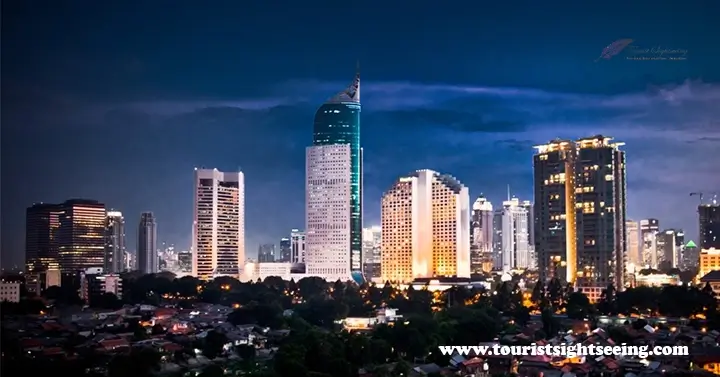
Yogyakarta – The Cultural Heart of Indonesia:
If Bali is known for its beaches, Yogyakarta (often called Jogja) is celebrated for its culture and heritage. The center of Javanese tradition, Yogyakarta, is a city in Central Java where history, art, and spirituality all blend harmoniously. The city is most famous for being the gateway to Borobudur and Prambanan, two of Indonesia’s most iconic temples. The enormous Buddhist temple known as Borobudur, which dates to the ninth century, is included as a UNESCO World Heritage Site. Watching the sunrise here, as mist rolls over the lush landscape, is an unforgettable experience. Prambanan, on the other hand, is a stunning Hindu temple complex with tall, intricate structures dedicated to the Trimurti gods—Brahma, Vishnu, and Shiva.The Cultural Heart of Java:
Beyond temples, Yogyakarta itself has a strong artistic vibe. The Sultan’s Palace (Kraton) remains the cultural heart, while traditional batik workshops allow visitors to see how this intricate cloth art is made. Wayang kulit (shadow puppet shows) and gamelan music performances are cultural treasures that showcase the soul of Javanese artistry. Yogyakarta is also a hub for students and young travelers, giving the city a vibrant, youthful energy. Its famous street, Malioboro, is lined with shops, food stalls, and street performers, making it the best place for souvenirs and local snacks. What makes Yogyakarta special is its balance of history and modernity. You can spend your morning exploring temples, your afternoon in art galleries, and your evening at trendy cafes. For travelers who want a deeper cultural experience of Indonesia, Yogyakarta is the place to be.
Lombok – Bali’s Serene Neighbor:
While Bali often steals the spotlight, its neighbor Lombok is equally enchanting—if not more for those who prefer peace and less-crowded escapes. East of Bali, Lombok is a more subdued sister that offers tranquility, adventure, and unadulterated beauty. Mount Rinjani, the second-highest volcano in Indonesia, is one of Lombok's crown jewels. Trekkers from around the world come here for multi-day hikes, rewarded with breathtaking views of its crater lake, Segara Anak. The journey is tough but deeply rewarding, making it a bucket-list experience for adventure seekers. For beach lovers, Lombok is paradise. Kuta Lombok (not to be confused with Bali’s Kuta) is a laid-back town surrounded by pristine beaches like Tanjung Aan and Selong Belanak, perfect for surfers and sun-seekers. One of Lombok's crown jewels is Mount Rinjani, Indonesia's second-highest volcano.Nature, Culture, and Serenity:
Another highlight is the Gili Islands—Gili Trawangan, Gili Meno, and Gili Air. Just off Lombok’s coast, these islands are famous for diving, snorkeling, and relaxed island life. Gili Trawangan is lively with beach parties, Gili Air strikes a balance between fun and relaxation, while Gili Meno is perfect for honeymooners seeking solitude. Lombok also showcases Sasak culture, with traditional villages like Sade and Ende offering a glimpse into local life. Travelers can see traditional houses, weaving techniques, and unique customs that remain untouched by time. Lombok is where you go when you want nature’s beauty without the tourist crowds. It is raw, serene, and authentic—a hidden gem waiting to be discovered.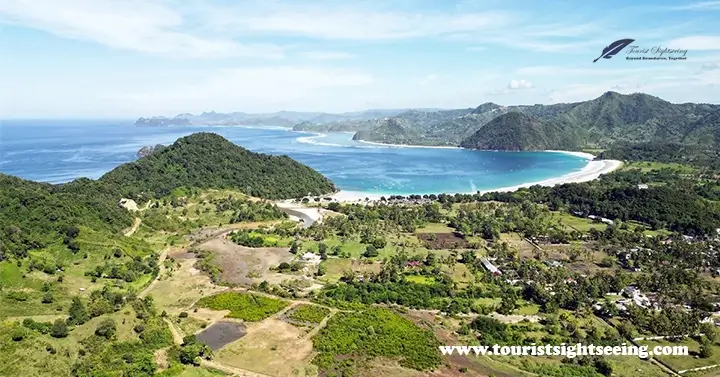
Komodo Island – Home of the Dragons:
Komodo Island is one of Indonesia’s most thrilling destinations, thanks to its most famous residents—the Komodo dragons. These giant lizards, often called “living dinosaurs,” can grow up to three meters long and are found only in this part of the world. Visiting Komodo National Park is like stepping into a prehistoric era, where nature feels raw and untamed. The island itself is part of the UNESCO World Heritage-listed Komodo National Park, which includes Komodo, Rinca, and Padar islands. Tourists can take guided tours to see the Komodo dragons in their natural habitat safely. Rangers accompany visitors, ensuring safety while explaining the unique behavior of these fascinating creatures. But the dragons are only part of Komodo’s magic. The landscapes are equally breathtaking. Padar Island, with its dramatic hills and bays, is a popular spot for trekking and photography. The view from the top is nothing short of spectacular, with turquoise waters meeting rugged green hills. One of the few pink-sand beaches in the world, Pink Beach provides a unique and breathtaking view. Crushed coral and white sand combine to create a mystical environment that is ideal for snorkeling and relaxing, giving the area its pink tint.A Wild Adventure Above and Below the Sea:
For adventure seekers, Komodo National Park is also a diving paradise. The waters around the islands are among the richest marine environments in the world, home to manta rays, sea turtles, sharks, and vibrant coral reefs. Liveaboard boat tours are popular, offering travelers the chance to explore multiple islands, dive sites, and hidden coves. The best time to visit Komodo is during the dry season, between April and December, when the weather is ideal for trekking and diving. Visiting this island is more than a trip—it’s an unforgettable adventure that combines wildlife, nature, and marine wonders all in one place.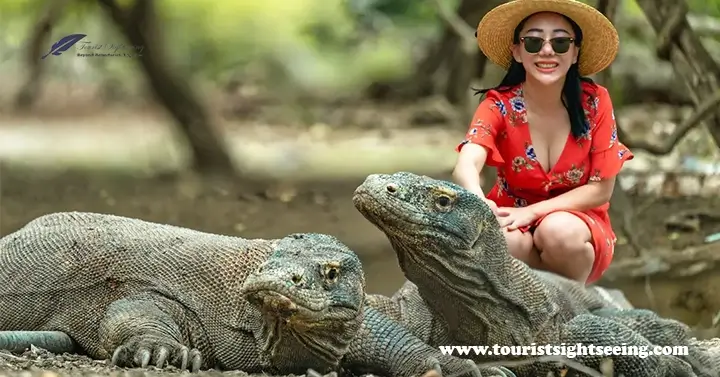
Sumatra – Wild and Untamed Nature:
Sumatra, the sixth-largest island in the world, is a land of untamed wilderness, breathtaking landscapes, and rare wildlife. Unlike Bali or Java, Sumatra is less touristy, which makes it perfect for travelers seeking adventure and authenticity. One of the highlights of Sumatra is Bukit Lawang, a small village famous for its orangutan sanctuary. Trekking through the lush rainforest here offers the incredible chance to spot orangutans swinging freely in their natural environment. The experience of locking eyes with these gentle creatures is humbling and unforgettable. Lake Toba is another must-visit. Formed by a massive volcanic eruption thousands of years ago, it’s the largest volcanic lake in the world. Samosir Island, located in the heart of the region, provides stunning scenery, unique Batak culture, and tranquil communities. It is a spot where time slows down, making it ideal for unwinding after a day of adventure.Land of Volcanoes, Jungles, and Rich Traditions:
For adrenaline junkies, Sumatra offers no shortage of activities. Volcano hiking is a highlight, with Mount Kerinci being Indonesia's tallest volcano. Travelers can also explore Sipiso-Piso Waterfall, hike through Gunung Leuser National Park, or surf the legendary waves of the Mentawai Islands—considered some of the best in the world. Culturally, Sumatra is just as fascinating. The Batak people around Lake Toba are known for their unique traditions, while Aceh, in the north, offers a glimpse into Islamic heritage with its stunning Baiturrahman Grand Mosque. Food lovers will also fall in love with Sumatran cuisine, especially spicy dishes like rendang, which has been named one of the world’s most delicious foods. Sumatra is a region of extremes, with towering volcanoes, deep jungles, exotic fauna, and distinct civilizations. It’s the perfect place for those who want to dive deep into Indonesia’s wild side.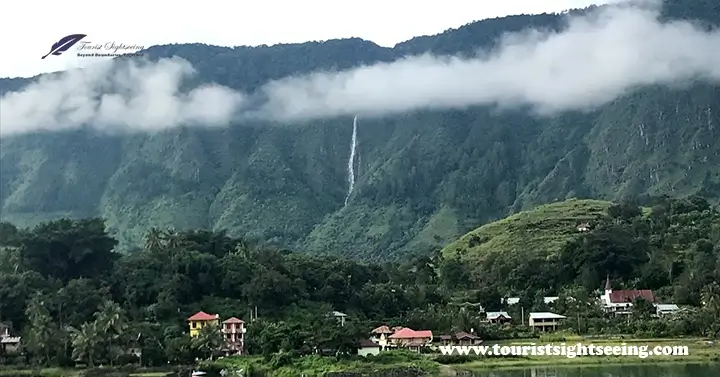
Borneo (Kalimantan) – The Exotic Wilderness:
The Indonesian part, known as Kalimantan, is a paradise for eco-travelers and adventurers who want to experience raw nature and indigenous culture. The rainforests of Kalimantan are legendary. Rare animals including pygmy elephants, proboscis monkeys, orangutans, and several bird species may be found there. Visitors frequently enjoy river cruises along the Sekonyer River at Tanjung Puting National Park, where they may observe orangutans at feeding stations and swinging through the treetops. These experiences are both educational and heartwarming, as conservation efforts here aim to protect these endangered species. Aside from wildlife, Kalimantan is culturally rich. The Dayak people, the island’s indigenous inhabitants, are known for their traditional longhouses, elaborate tattoos, and rich folklore. Visiting Dayak villages offers an immersive cultural experience, where travelers can learn about ancient rituals, wood carvings, and traditional dances.Exploring the Untamed Rainforests of Borneo:
Adventure seekers can explore caves, hike through untouched jungles, and even climb Mount Meratus. For a different experience, river journeys on traditional wooden boats allow travelers to witness the beauty of Kalimantan’s waterways, passing by floating markets and remote villages. Kalimantan is less visited than other parts of Indonesia, which makes it feel even more special. It’s the kind of place where you can disconnect from modern life and reconnect with nature in its purest form. For those who dream of exploring vast rainforests, meeting indigenous tribes, and seeing rare animals up close, Kalimantan is a destination that delivers unforgettable memories.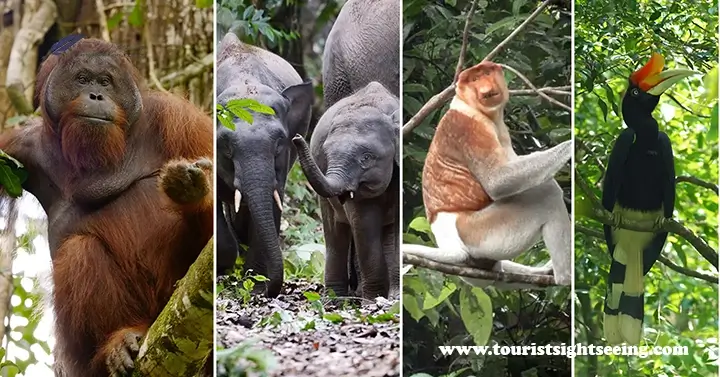
Flores – The Hidden Gem:
Flores, located east of Komodo, is one of Indonesia’s most underrated islands. While it may not be as famous as Bali or Lombok, Flores offers breathtaking landscapes, rich traditions, and unique attractions that make it a true hidden gem. The island’s most famous landmark is Mount Kelimutu and its three colored crater lakes. These lakes mysteriously change colors due to mineral content, creating a surreal sight that looks almost otherworldly. Watching the sunrise here, with the lakes glowing in different shades, is one of the most magical experiences in Indonesia. Flores is also a paradise for divers and snorkelers. The waters around Maumere and Labuan Bajo are teeming with marine life and coral reefs, making them perfect for underwater adventures. Labuan Bajo, often used as a base for trips to Komodo Island, is also growing as a tourist hub, offering beautiful resorts, cafes, and boat tours.
Culture, Road Trips, and Stunning Landscapes:
What sets Flores apart is its rich culture. The island is predominantly Catholic, and visitors will see churches alongside traditional villages. The people of Flores are warm and welcoming, and exploring villages like Bena and Wae Rebo allows travelers to see traditional cone-shaped houses, weaving crafts, and local rituals. Flores is also a great destination for road trips. Winding roads take you through lush mountains, hidden waterfalls, and coastal villages with panoramic views of the sea. Flores is a place that surprises and thrills visitors looking for a blend of natural beauty, cultural richness, and off-the-beaten-path experiences.Sulawesi – Land of Unique Cultures:
Sulawesi which is the moste peculiar capture islands, is also boasts equally distinctive natural and cultural heritage. It’s a destination that offers everything—vibrant traditions, stunning marine life, and breathtaking landscapes. The Toraja people in South Sulawesi are perhaps the most famous cultural highlight. Their elaborate funeral ceremonies, cliffside burial sites, and uniquely designed houses (tongkonan) attract travelers from around the world. While these rituals may seem unusual to outsiders, they reflect the Torajan belief that death is not the end but a transition to another life. Attending one of these ceremonies is a deeply moving cultural experience.A World of Diving, Culture, and Natural Wonders:
For nature lovers, Sulawesi is a diving paradise. Bunaken National Marine Park, near Manado, is world-renowned for its underwater beauty. Divers and snorkelers can explore steep coral walls, vibrant reefs, and abundant marine species. Another fantastic spot is Wakatobi, often praised as one of the best dive sites in the world, offering crystal-clear waters and incredible biodiversity. Beyond diving and culture, Sulawesi is full of natural wonders. The island’s interior is mountainous, with opportunities for trekking and exploring hidden waterfalls. The Togean Islands, located in Central Sulawesi, are remote and pristine, perfect for travelers seeking a peaceful escape surrounded by untouched beauty. Sulawesi feels like several worlds combined into one island—each region has its own traditions, landscapes, and adventures. For travelers who love mixing cultural exploration with natural beauty, Sulawesi offers endless possibilities.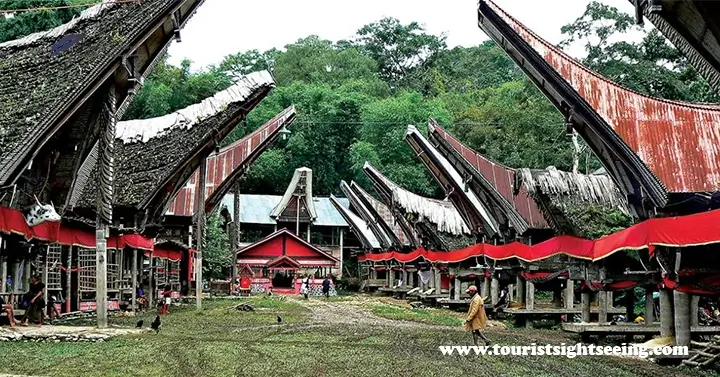
Raja Ampat – Diver’s Paradise:
Raja Ampat feels like something out of a dream. Raja Ampat, located in West Papua, is often regarded as the crown gem of Indonesia's marine tourist industry. Divers and snorkelers will find it nothing short of heaven. With over 1,500 small islands, cays, and shoals, Raja Ampat is home to some of the richest marine biodiversity on the planet. Underwater, it’s a kaleidoscope of life. Divers can swim alongside manta rays, reef sharks, sea turtles, and thousands of colorful fish. Coral reefs here are so pristine that they’re considered among the healthiest in the world. But Raja Ampat isn’t just about diving. The landscapes above water are equally magical. Iconic viewpoints like Piaynemo and Wayag offer breathtaking panoramas of turquoise waters dotted with limestone karst islands. These views are so stunning that they’re often featured in travel magazines as symbols of untouched paradise.Eco-Paradise and Marine Biodiversity:
Eco-tourism plays a big role in Raja Ampat. Local communities and conservation groups work hard to protect the fragile ecosystem. Many resorts are eco-friendly, blending luxury with sustainability. Visitors are encouraged to respect marine life, avoid plastic waste, and support local villages by staying in homestays or buying handmade crafts. Reaching Raja Ampat requires effort—usually a flight to Sorong, followed by boat rides—but the reward is immense. It’s one of those destinations that feels like a true escape from the modern world. For travelers who want to immerse themselves in nature’s most extraordinary creations, Raja Ampat is a once-in-a-lifetime experience.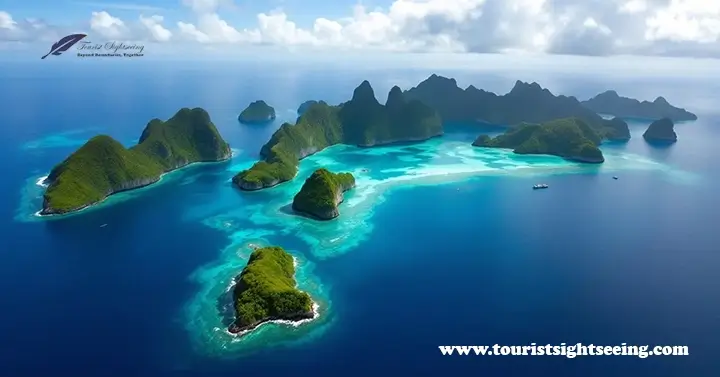
Maluku Islands – Spice Islands Adventure:
The Maluku Islands, also known as the Moluccas, are often called the “Spice Islands” because of their history as the world’s main source of nutmeg, cloves, and other spices. These islands played a huge role in global trade centuries ago, and today, they remain one of Indonesia’s most enchanting hidden gems. What makes Maluku special is its mix of history, culture, and natural beauty. Ambon, the capital, is a great starting point. It’s lively and full of markets, beaches, and historical sites. Travelers can visit Fort Victoria, a reminder of the colonial spice trade era, or dive into local cuisine influenced by both Indonesian and European traditions.Spice Islands with Pristine Beauty:
For beach lovers, Maluku is paradise. The Banda Islands, once the center of the global spice trade, now attract divers with their rich coral reefs and clear waters. Culturally, Maluku is diverse. The islands are home to different ethnic groups, each with unique traditions, dances, and music. Traditional songs and dances are still performed during festivals, giving visitors a glimpse into the islands’ deep-rooted heritage. Maluku may not be as popular as Bali or Java, but that’s exactly its charm. With fewer crowds, travelers can enjoy authentic experiences, whether it’s exploring spice plantations, diving in pristine waters, or simply relaxing on a beach with no one else in sight.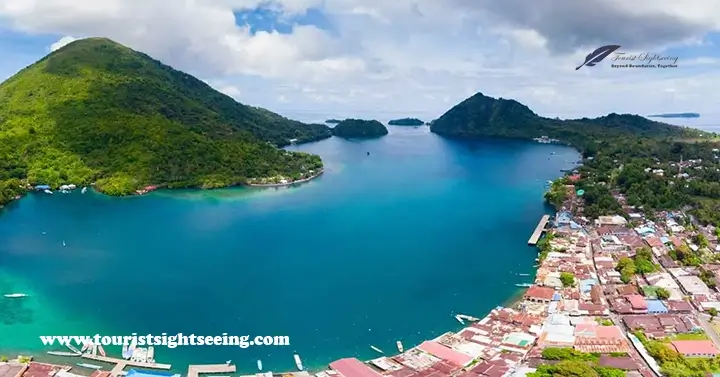
Papua – Untouched Frontier of Indonesia:
Papua, located on the far eastern edge of Indonesia, is one of the least explored but most fascinating parts of the country. It’s a land of wild landscapes, diverse tribes, and extraordinary biodiversity. For travelers seeking off-the-beaten-path adventures, Papua offers an experience unlike anywhere else. One of the highlights is Baliem Valley, home to the Dani people. Visitors can trek through the valley, passing traditional villages where people still live much as they did centuries ago. Witnessing tribal festivals, complete with traditional dress, dances, and rituals, is a cultural experience that feels both authentic and humbling.Indonesia’s Final Frontier of Wilderness and Tradition:
Nature in Papua is equally impressive. The island is covered in thick jungles, high mountains, and unexplored rivers. Adventurers can trek through Lorentz National Park, a UNESCO World Heritage Site that ranges from tropical rainforests to snow-capped mountains. The park is so vast and untouched that many areas remain unexplored. For marine lovers, Papua offers another treasure: Cenderawasih Bay. Here, snorkelers and divers can swim alongside gentle whale sharks, one of the most awe-inspiring experiences in Indonesia. But for those willing to take the challenge, it’s incredibly rewarding. It’s a chance to see a side of Indonesia where tradition and wilderness remain untouched by mass tourism.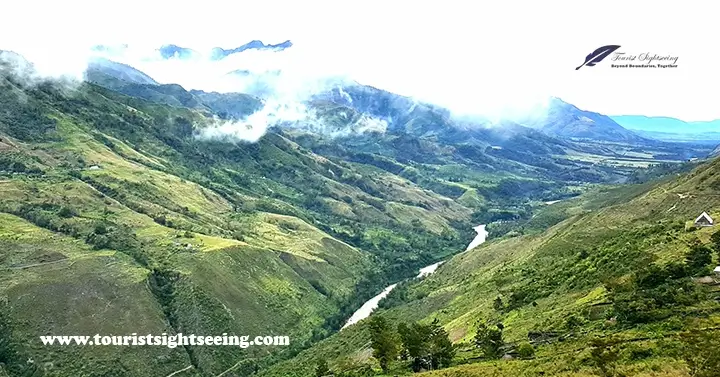
Tips for Traveling Best Places in Indonesia:
Traveling across Indonesia is a dream, but with thousands of islands and diverse cultures, it’s helpful to know some practical tips to make the most of your trip.1. Best Time to Visit:
The best time to visit Indonesia is during the dry season, which runs from April to October. The weather is sunny, beaches are perfect, and trekking conditions are ideal. However, some areas, like Bali, can get crowded during peak holiday seasons.2. Transportation:
Major islands are well-connected by flights, while ferries and speedboats connect smaller islands. In cities, taxis, Grab (ride-hailing apps), and motorbike rentals are common. Be prepared for long travel times if hopping between islands.3. Cultural Etiquette:
Indonesia is culturally diverse, and respect goes a long way. Dress modestly when visiting temples or rural areas. Learning a few words in Bahasa Indonesia, such as "terima kasih" (thank you), is always beneficial.4. Safety and Health
Indonesia is typically secure for tourists, although like with any destination, it is prudent to exercise caution. Keep your valuables safe in busy situations and be wary of frauds. For health, make sure to stay hydrated, wear sunscreen, and carry mosquito repellent.5. Local Experiences
Don’t just stick to tourist hotspots. Explore local markets, try traditional foods, join cultural workshops, or stay in homestays to connect with locals. Your trip will end up with these unforgettable moments. Traveling in Indonesia requires some planning, but the rewards are immense. With its diverse landscapes and cultures, every trip feels like multiple vacations rolled into one.Conclusion:
Indonesia is not just one destination—it’s thousands of them. From the spiritual calm of Bali and the cultural richness of Yogyakarta to the untamed wilderness of Papua and the underwater wonders of Raja Ampat, this vast archipelago is a world waiting to be explored. Each island offers something unique, whether it’s ancient temples, rare wildlife, vibrant traditions, or jaw-dropping natural beauty. What makes Indonesia truly special is the diversity of experiences. One trip could take you through bustling cities, serene beaches, remote villages, and hidden jungles. It’s this variety that keeps travelers coming back, discovering new places each time. If you’re planning your next adventure, Indonesia deserves a top spot on your list. It’s more than just a holiday—it’s a journey through nature, culture, and history, all wrapped up in one unforgettable experience.Frequently Asked Questions About Best Places to Visit in Indonesia:
- Question#1: What is the best time to visit Indonesia? Answer: The best time is during the dry season, from April to October, when weather conditions are perfect for sightseeing, beach trips, and outdoor adventures.
- Question#1: Is Indonesia safe for solo travelers?
- Answer: Yes, Indonesia is generally safe for solo travelers. Just take normal precautions, avoid isolated areas at night, and respect local customs.
- Question#1: How many days are enough to explore Indonesia?
- Answer: It depends on your itinerary. A short trip of 7–10 days can cover Bali or Yogyakarta, but to explore multiple islands, 3–4 weeks is ideal.
- Question#1: Which island is best for honeymooners?
- Answer: Bali, Lombok, and the Gili Islands are top choices for honeymooners, offering romantic beaches, luxury resorts, and stunning sunsets.
- Question#1: Do I need a visa to visit Indonesia?
- Answer: Many nationalities can get a visa on arrival for 30 days, which can often be extended. But for the best practices, you should check latest update about rules and regulations before travelling.


